11 November 2026
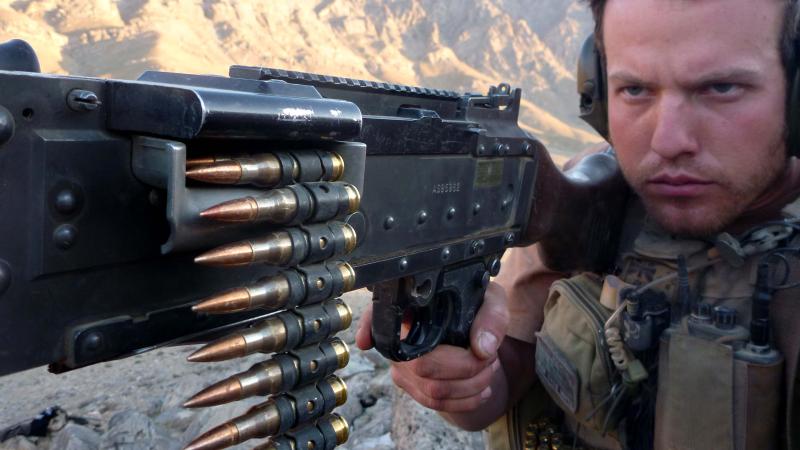
In 1967 the Royal Australian Navy’s Helicopter Flight Vietnam joined the US Army’s 135th Assault Helicopter Company (AHC) to form a new type of unit: the Experimental Military Unit (EMU).
Retired Commander Max Speedy has now gathered his own and other first-hand accounts from his fellow EMUs into a new book, Just Another Day in the Delta, to be launched on November 19 as part of the Chief of Navy’s History Conference in Sydney.
The book reveals in detail this little-known Fleet Air Arm chapter of the Vietnam War, the closest operational collaboration between Australian naval aviators and the US Army, and the impact on the people involved.
With 27 Royal Australian Navy casualties among nearly 100 in the unit’s four-year service in the Mekong Delta, they have earned the ADF’s Unit Citation for Gallantry – the first one for the Navy since the Second World War – and in doing so have a history that is being chronicled and highlighted at this year’s history conference.
“EMU was the company call sign for the lift aircraft, while the Taipans of the gunships are today remembered as the call sign for 723 Squadron aircraft,” Mr Speedy said.
The personal stories of the intensity, danger and camaraderie of helicopter warfare are contrasted in the book with the official accounts of engagements, highlighting both the challenges of collaboration across forces and the benefits of bringing this innovative approach to the fight.
“All Australians were fully integrated into the 135th AHC – the Navy Officer in Charge was the Company XO [Executive Officer], and naval officers became leaders of the lift and the gunship platoons,” Mr Speedy said.
“Maintainers became repair team leaders going out into enemy territory to repair aircraft so they could complete the day’s missions.”
'Many of the Australian pilots became Air Mission Commanders directing the combat assaults, rescuing downed aircrew and medevacs for the wounded.'
With a motto of ‘Get the bloody job done’, Mr Speedy and the rest of the Australians would come to build a reputation for how a small group of Fleet Air Arm anti-submarine aircrew and maintenance specialists could make the sort of difference needed.
“Many of the Australian pilots became Air Mission Commanders directing the combat assaults, rescuing downed aircrew and medevacs for the wounded,” he said.
The launch of Just Another Day in the Delta tells one of many important chapters in the history of the Royal Australian Navy that will be explored as part of this year’s Chief of Navy’s History Conference.
The conference is being held from November 19 to 20 at the Australian National Maritime Museum. The event will be opened by Chief of Navy Vice Admiral Matthew Buckley, who will highlight the importance of history to the four pillars of his command intent: People, Platforms, Partners and Purpose.
Speakers and events over the two days will look across the history and scope of the Royal Australian Navy to better inform the decisions and strategy of the future in areas including shipbuilding and acquisition, maritime trade protection and the social dimensions.
The event is supported by the Sea Power Centre – Australia, the Australian Naval Institute and the University of New South Wales Canberra.
The conference is open to both Defence personnel looking to further their professional development and strategic understanding, as well as to academics, researchers and anyone interested in maritime history and strategy.
Visit the 125 Years of Australian Naval History conference web page for program, speaker and registration information.