18 September 2026
Australia’s ability to withstand and recover from major disruptions to critical infrastructure has been strengthened through a South Australian-led research project helping ports prepare for cyberattacks and extreme weather events.
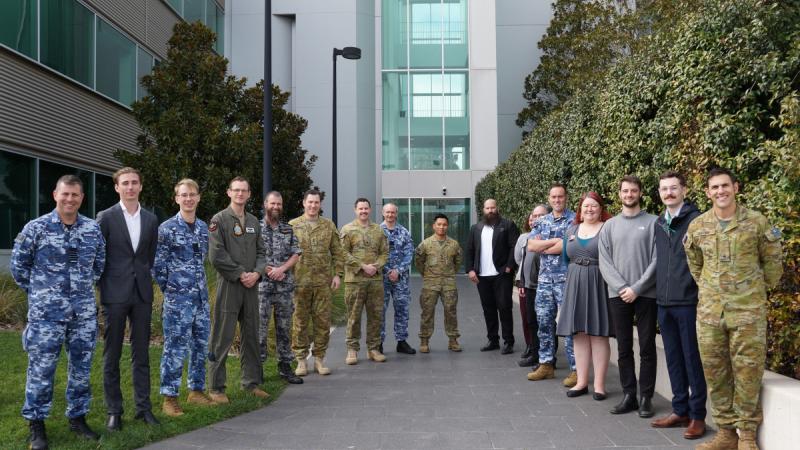
Developed by Flinders University in partnership with Defence Science and Technology Group (DSTG), Adelaide University and PrioriAnalytica, the innovative simulation platform enables port operators to train in realistic crisis scenarios, helping build resilience across one of Australia’s most important supply-chain networks.
Chief Defence Scientist Professor Tanya Monro said building resilience was a national endeavour.
“Critical infrastructure, such as our ports, sits at the intersection of economic security, national resilience and Defence interests. By bringing together researchers, industry and Defence, we are developing practical solutions that help Australia respond to emerging challenges before they become crises,” Professor Monro said.
Funded through the Defence Innovation Partnership’s Collaborative Research Fund, the project reflects the role innovation, science and technology play in supporting national resilience by strengthening the security and preparedness of critical infrastructure that underpins Australia’s economy and broader national security.
Associate Professor Elena Sitnikova from Flinders University said Australia’s ports were increasingly exposed to a complex mix of cyber and environmental threats.
“As an island nation, Australia relies on shipping for 99 per cent of its international trade, making our ports essential to economic stability and the reliable delivery of goods and services,” Associate Professor Sitnikova said.
“Developing a deeper understanding of cyber risks in port environments is essential to identifying practical mitigations, and this study contributes important insights that can help industry and government enhance the resilience of Australia’s maritime infrastructure.”
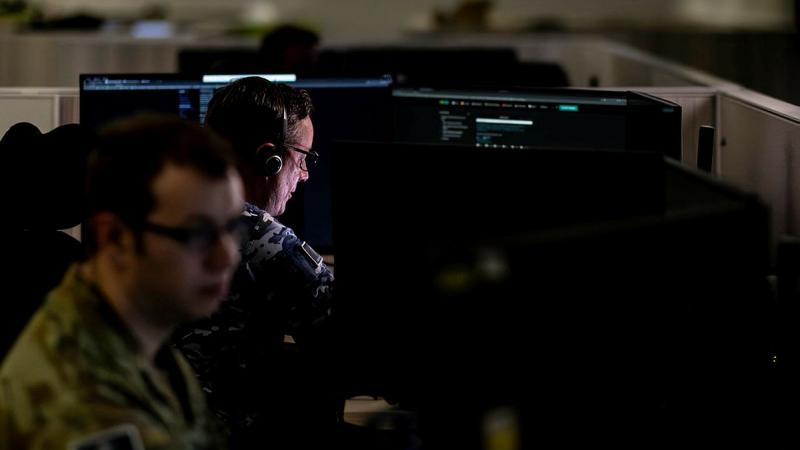
The gaming-style simulator places participants into high-pressure scenarios where they must coordinate decisions, communicate effectively and manage cascading operational challenges in real time.
'By bringing together researchers, industry and Defence, we are developing practical solutions that help Australia respond to emerging challenges before they become crises.'
By simulating realistic cyber incidents and severe weather disruptions, the platform allows whole teams to build the leadership and decision-making skills needed to respond during a crisis.
“No single organisation can solve these challenges alone. The strength of this project comes from the collaboration between Defence, universities, industry and critical infrastructure operators. It reflects exactly the kind of connected, agile and mission-focused ecosystem outlined in the 2026 Defence Innovation, Science and Technology Strategy,” Professor Monro said.
The project exemplifies the integrated ecosystem vision outlined in the Strategy, which identifies collaboration between Defence, universities, industry and government as essential to delivering innovation outcomes that support both Defence capability and broader national priorities.
The Strategy highlights the importance of harnessing expertise from across Australia’s research and innovation system to address complex national challenges and strengthen sovereign capability.
The Defence Innovation Partnership has identified the project as a powerful example of how collaborative research can generate benefits far beyond Defence applications. The technology has potential to be adapted across other critical infrastructure sectors, including Defence precincts, emergency management organisations and healthcare facilities.
A resilient and integrated Defence innovation, science and technology ecosystem is a key contributor to national resilience, workforce development and sovereign capability. Through partnerships that connect Defence, universities and industry, projects such as this help translate Australian research excellence into practical solutions for national challenges.
As cyber threats, climate-related disruptions and strategic competition continue to shape Australia’s security environment, initiatives that improve the resilience of essential infrastructure will play an increasingly important role in safeguarding the nation’s prosperity and preparedness.
By bringing together the strengths of Defence, research institutions and industry, the port resilience project demonstrates how a connected innovation ecosystem can deliver tangible outcomes that strengthen both Australia’s security and its ability to withstand future shocks.