21 April 2026
Defence recently strengthened preparedness in the information environment by conducting a pilot activity led by the Joint Capabilities Group (JCG).
Sponsor of the activity, Commander Paul Pelczar of the Space and Cyber Capability Division, said adversaries actively competed for advantage through information-shaping narratives to influence audiences and challenge decision‑making.
As a result, he said the ability to understand and operate effectively in the information environment had become a critical capability for Defence.
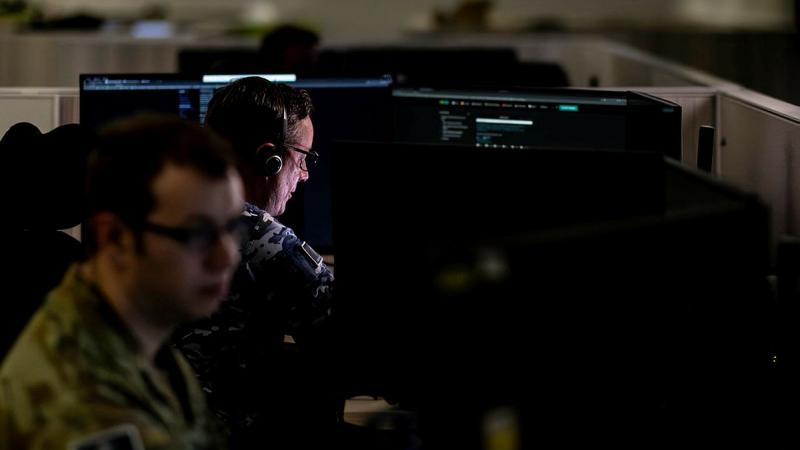
Participants were introduced to an emerging information environment toolset to support contemporary operations with a focus on building workforce literacy and shared understanding.
Commander Pelczar said they explored approaches to audience analysis, narrative awareness and the coordination of information effects to develop the cognitive tradecraft required for modern operations.
“Before Defence can employ information environment capabilities at scale, we need to start from first principles – building a workforce that understands how these toolsets translate into real capability and how information shapes behaviour and decision-making,” Commander Pelczar said.
“The pilot was about building that foundation transparently and in a well-governed way, while engaging a broad range of stakeholders and an increasingly active community of interest.”
He said the activity was part of a broader series of risk‑reduction and experimentation initiatives being undertaken by JCG to inform governance, shape future capability development and assess how such tools could be integrated into Defence training and operations.
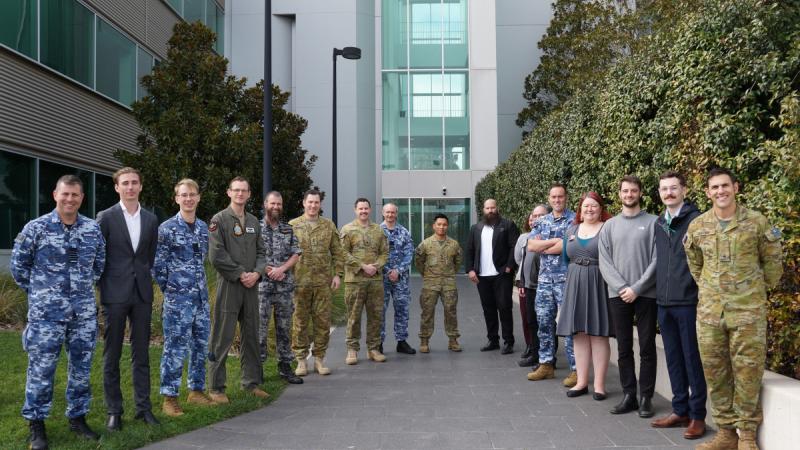
The participants were primarily from 2 Company, 1st Intelligence Battalion, but included personnel from the New Zealand Defence Force.
Commander Pelczar said success in contemporary and future conflict depended not only on physical effects, but also on the ability to understand, anticipate and respond to narrative and cognitive challenges.